
FIREWOOD SPECIES GUIDE
Most untreated wood species can make useful firewood. Dryness, density, log size, storage and appliance operation usually matter more than folklore about a species being “good” or “bad”.
The practical rule: use clean, untreated wood; split and store it properly; measure moisture inside a freshly split log; and follow the appliance maker’s fuel instructions.
THE MYTH
“Pine is no good.” “Rowan is useless.” “Only hardwood is proper firewood.”
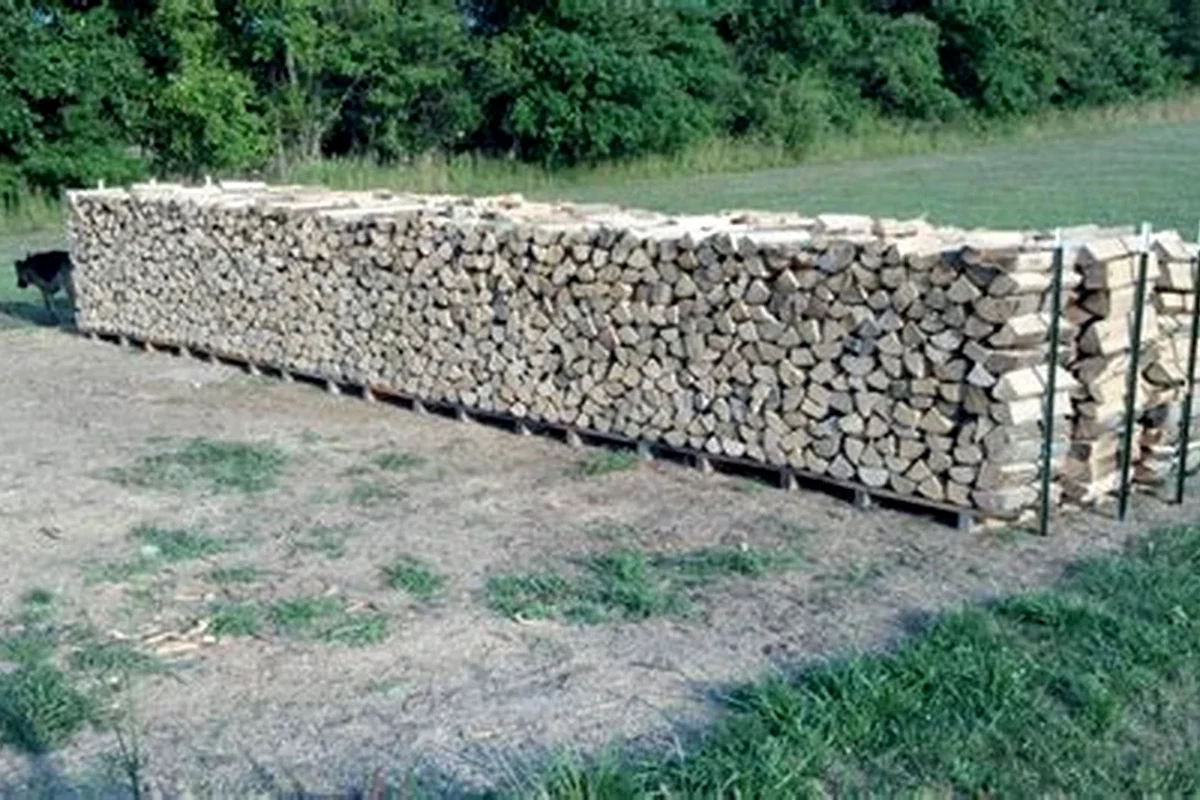
These statements usually mix together several different questions: whether wood will burn, how much heat fits into a given volume, how quickly it releases that heat, how readily it seasons, and how it behaves in a particular stove or open fire.
Not all wood-like material belongs in a fire. Do not burn painted, pressure-treated, preserved, glued, laminated or contaminated timber. Avoid wet fuel and follow local smoke-control and appliance rules.
WHAT SPECIES REALLY CHANGES
Heat per kilogram
At the same moisture content, different clean wood species are more alike by weight than folklore suggests. Moisture has a much larger effect on usable heat.
Heat per log or stacked volume
Dense woods normally put more dry wood—and therefore more potential heat—into the same-sized log or stack.
Burn behaviour
Species and log form affect ignition, flame speed, coal formation, sparks and how often the appliance needs refuelling.
Seasoning and storage
Starting moisture, split size, bark, airflow, rain protection and local weather can matter as much as the tree name.
VISUAL GUIDE
Two comparisons that explain most firewood arguments
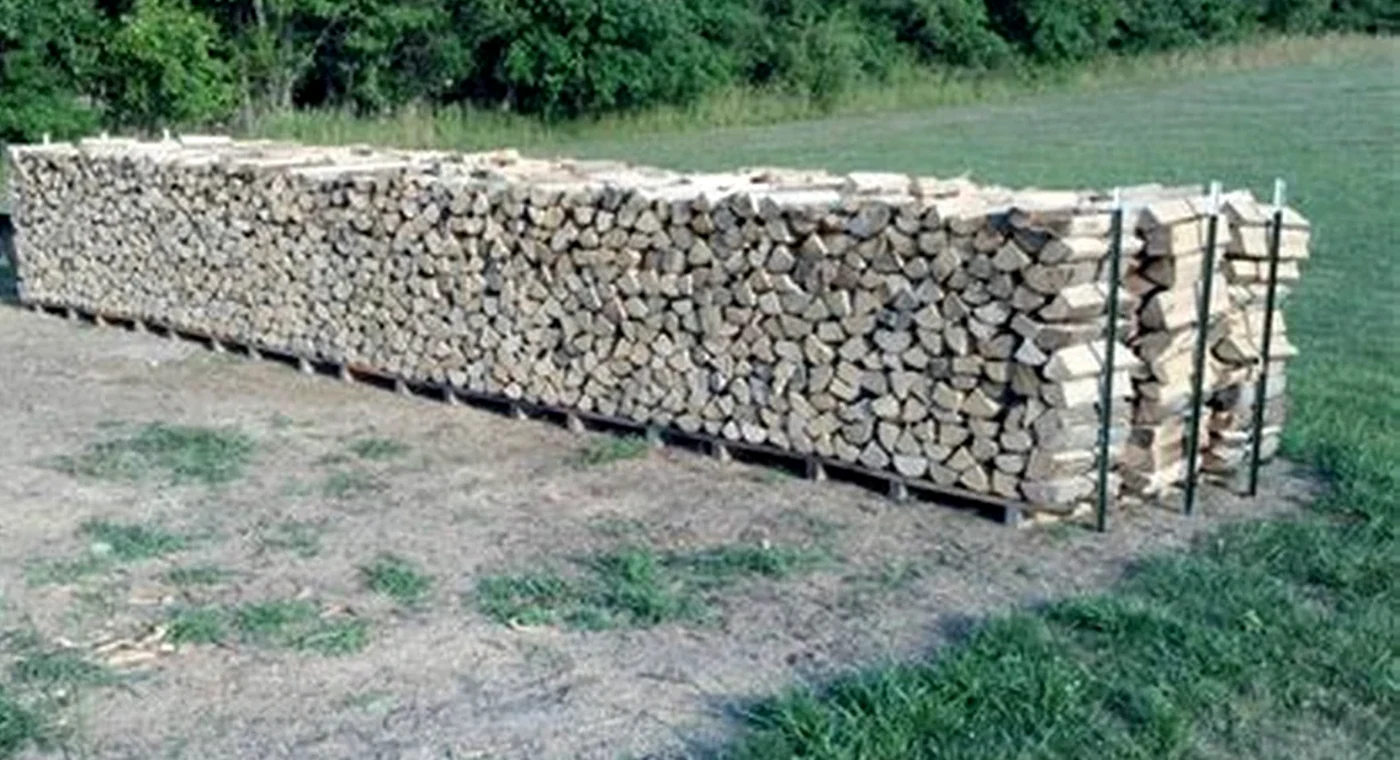
Relative guide only: denser dry species generally pack more wood into the same stack.
Illustrative trend: more of the fire’s energy is spent evaporating water as moisture rises.
The charts explain direction and relative behaviour; they are not laboratory certificates for a particular batch. Forest Research identifies moisture content as a critical woodfuel parameter and gives air-dry stacked logs at about 20% moisture a typical net calorific value of roughly 4.1 kWh/kg.
SPECIES IN PRACTICE
Firewood species: photographs, behaviour and approximate heat by stacked volume
Most clean, untreated species can make useful firewood when properly dried. The practical differences are density, ignition, flame speed, coal formation, seasoning behaviour and how much dry wood fits into a measured stack.
How to read the energy bands: estimates are for approximately one carefully stacked cubic metre of logs at about 20% moisture. They show fuel energy before stove losses. Moisture, log size, bark, gaps and stacking method can move a real batch outside the stated band.
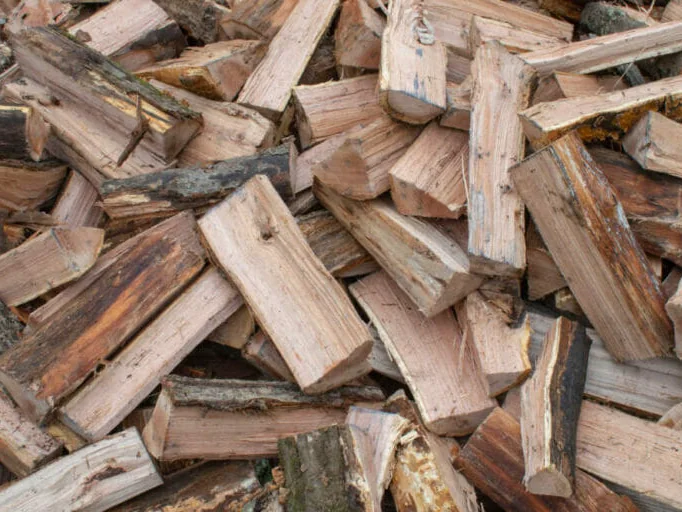
Ash
Popular because it handles well and gives a steady fire when dry. The old claim that Ash should be burned green is poor modern advice: dry Ash is cleaner and more efficient.
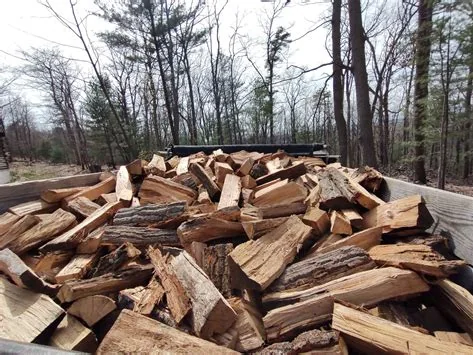
Oak
Dense wood capable of long, steady output. Large pieces may need patient splitting and seasoning before the centre reaches a suitable moisture level.
Beech
A dense, dependable fuel when thoroughly dry. It generally gives sustained heat and a useful coal bed, but thick rounds still require adequate seasoning.
Alder
A lighter hardwood that can season comparatively readily when split. Useful for shoulder-season fires, quicker heat and mixed loads.
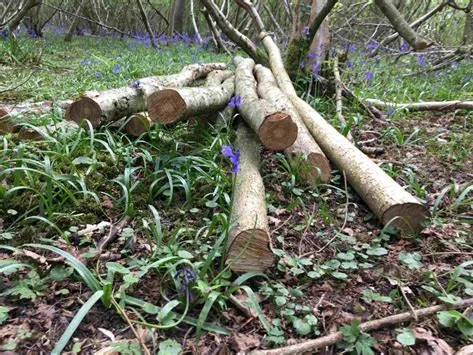
Hazel
Traditional coppice material that is easy to process into smaller stove-sized pieces. Useful for lighting, responsive heat and mixed loads.
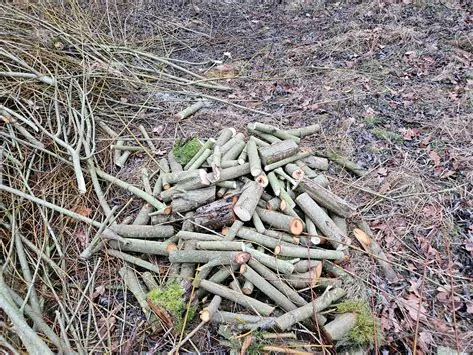
Willow
Often criticised because wet rounds dry slowly. Once split and thoroughly seasoned it is useful fuel, although its lower density means shorter burns per log.
Rowan
A useful medium-density hardwood with no sound basis for being dismissed. Season properly and judge the actual batch rather than folklore.
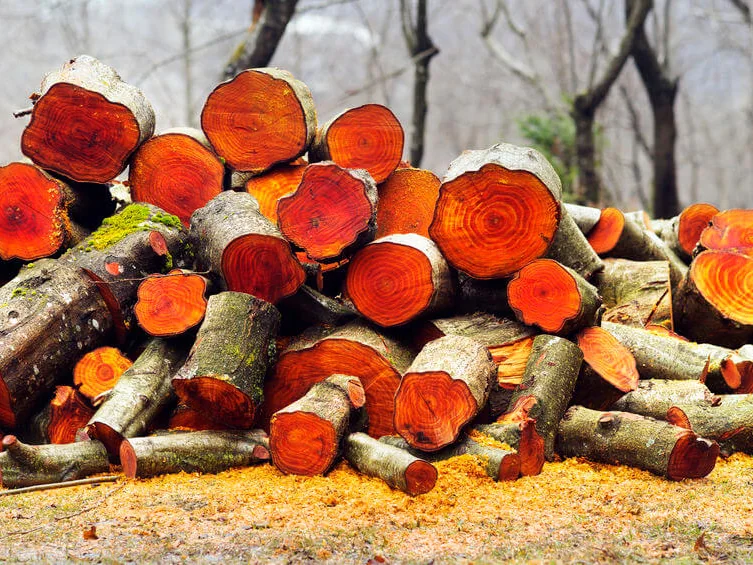
Hawthorn
Dense hedgerow wood capable of strong, sustained heat. Thorny, crooked pieces can be awkward to process, so gloves and careful sizing matter.
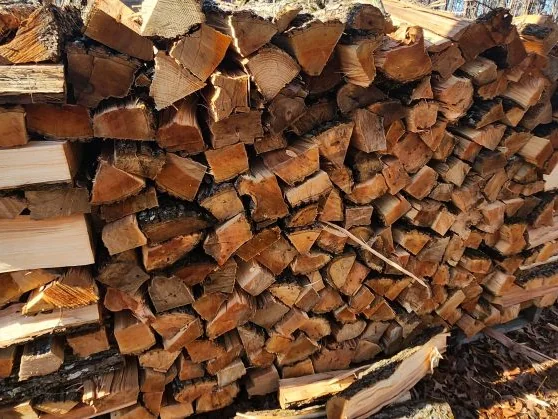
Leylandii / conifer
Dry conifer is legitimate fuel in a suitable appliance. It generally burns faster per log than denser hardwood and may spark more, so dryness and correct operation matter.
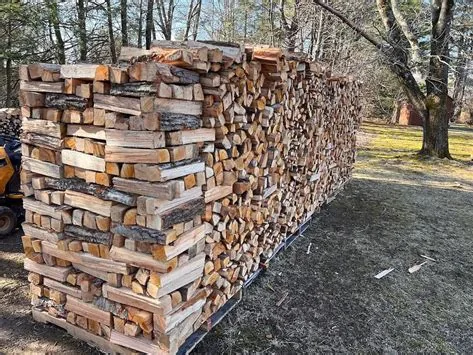
Mixed stack
Mixed local firewood can combine quick-lighting pieces with denser, longer-burning logs. Its energy per stacked volume depends on the actual species mix and packing.
Other useful UK firewoods
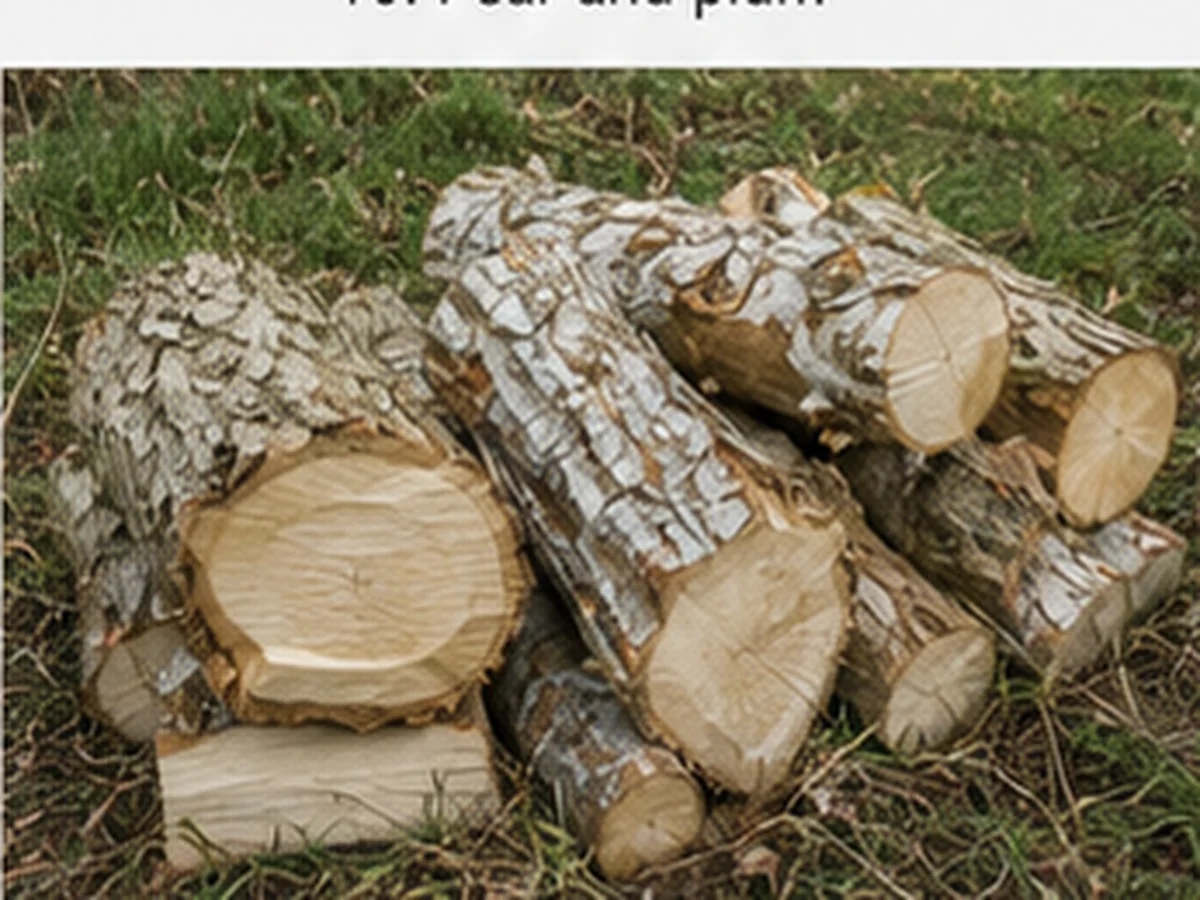
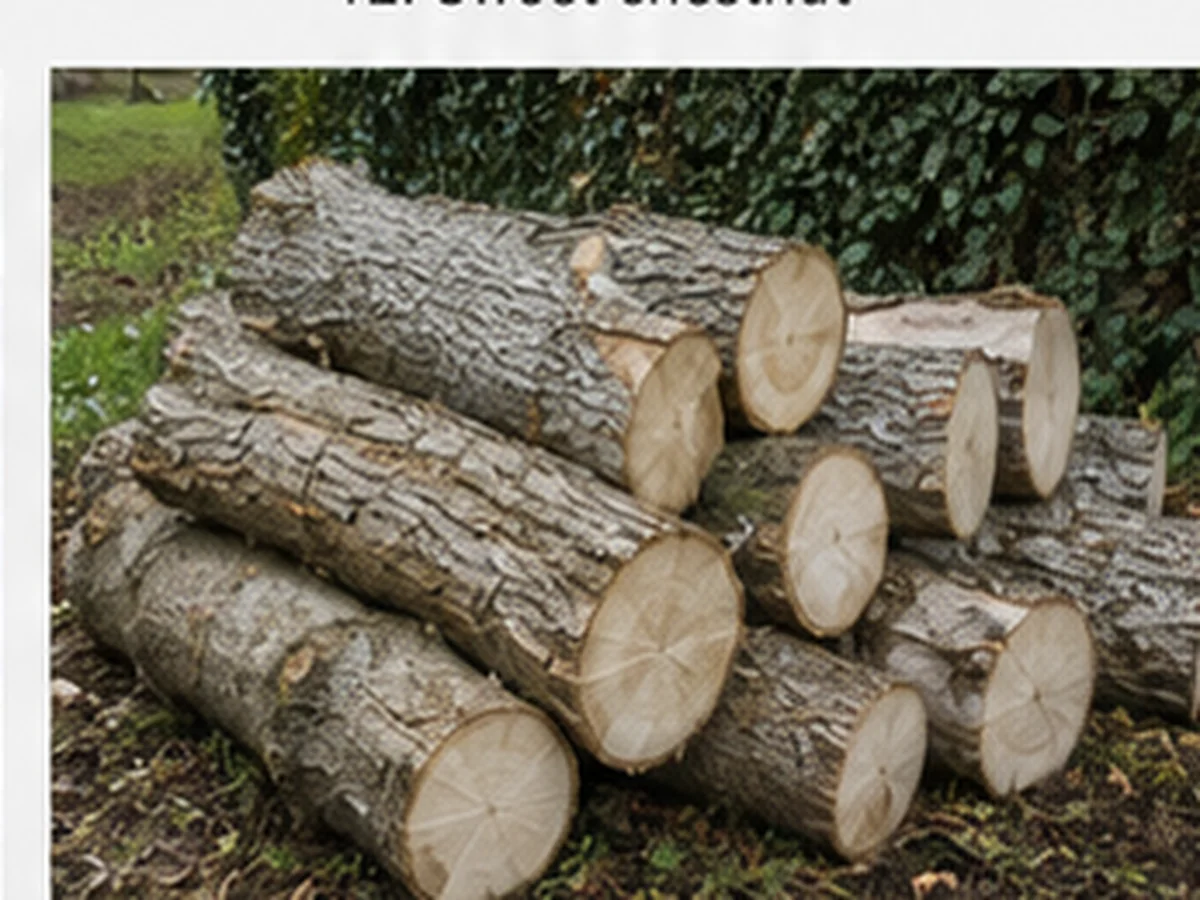
These UK species are shown with provisional generated reference imagery. The written guide—not the image alone—remains the source for firewood behaviour and energy claims.
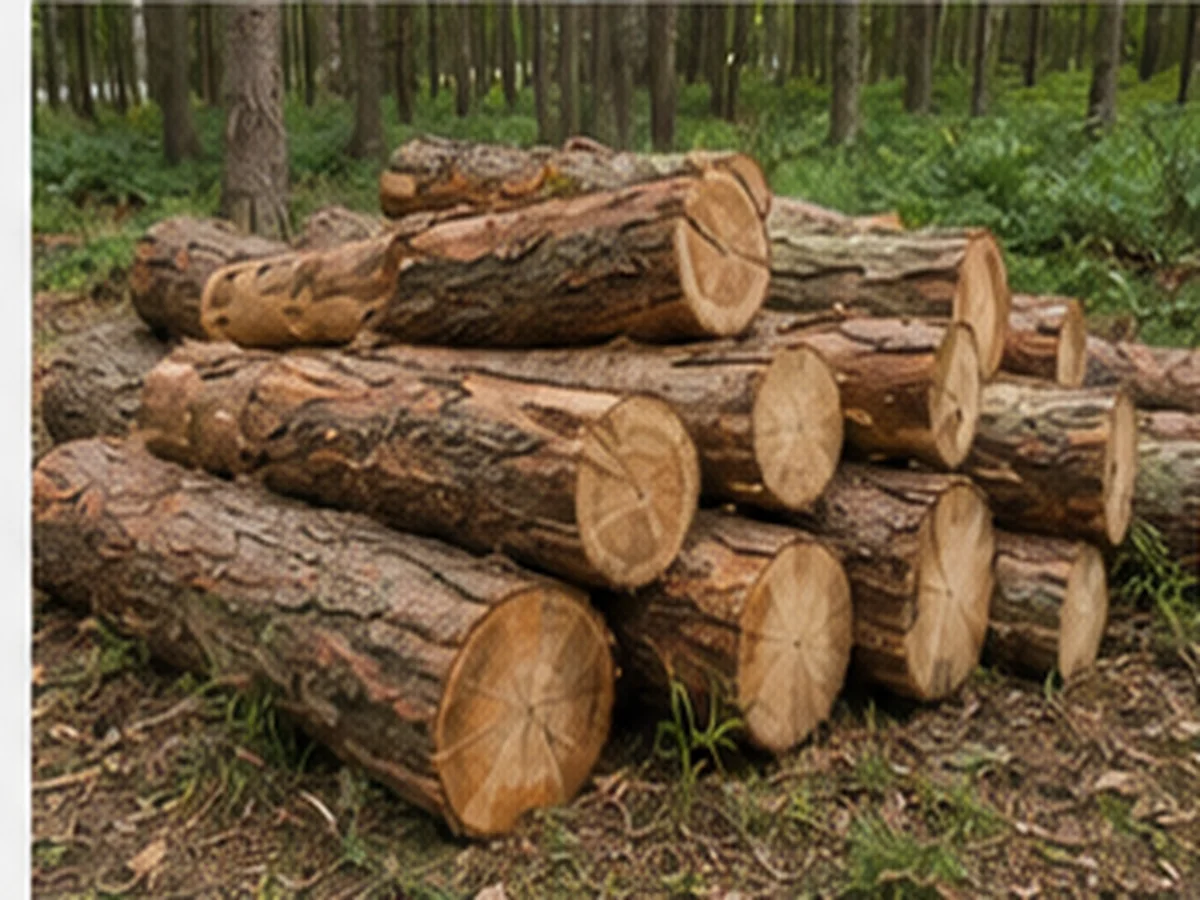
Larch
A resinous softwood that can provide quick, lively heat. Use dry fuel in a suitable enclosed appliance.
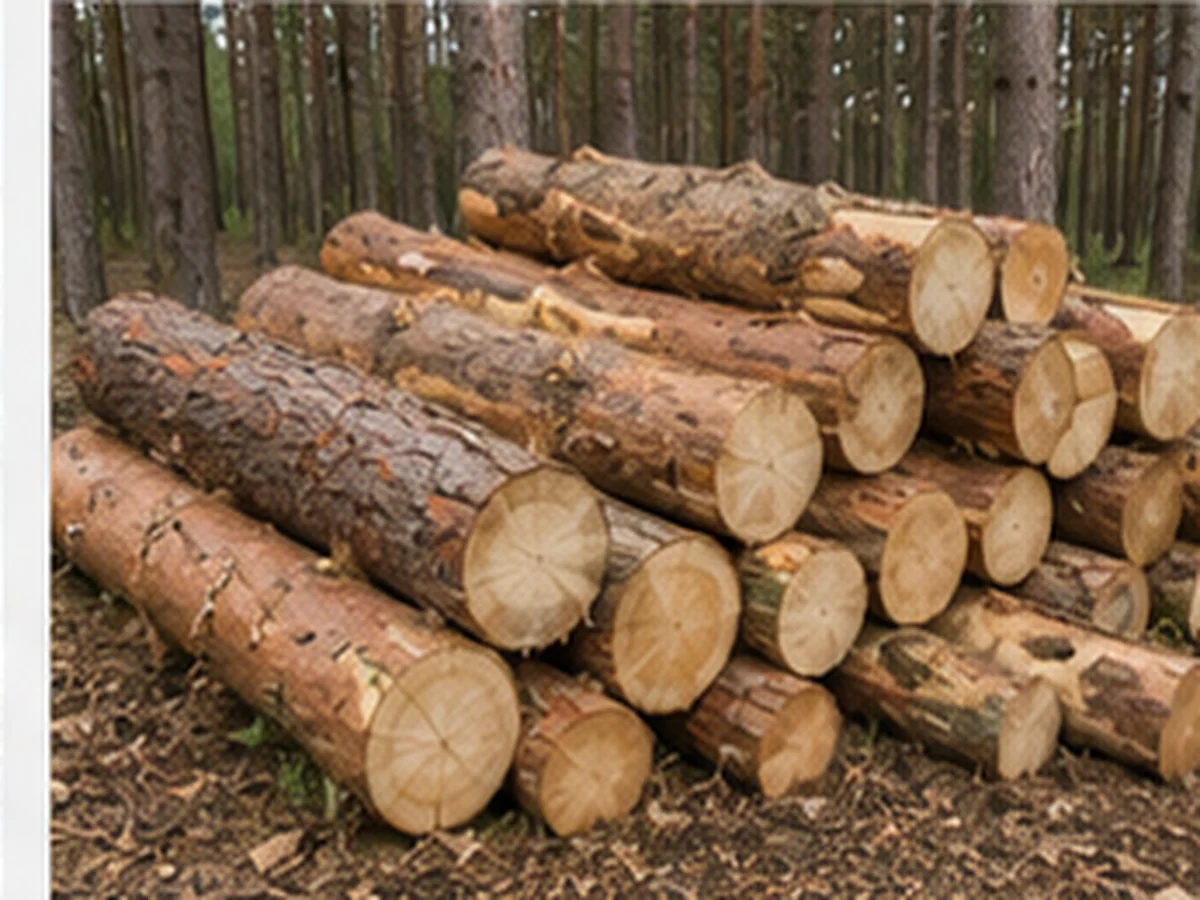
Scots pine
Useful for kindling, quick warm-up and daytime fires. Dryness matters more than resin folklore.
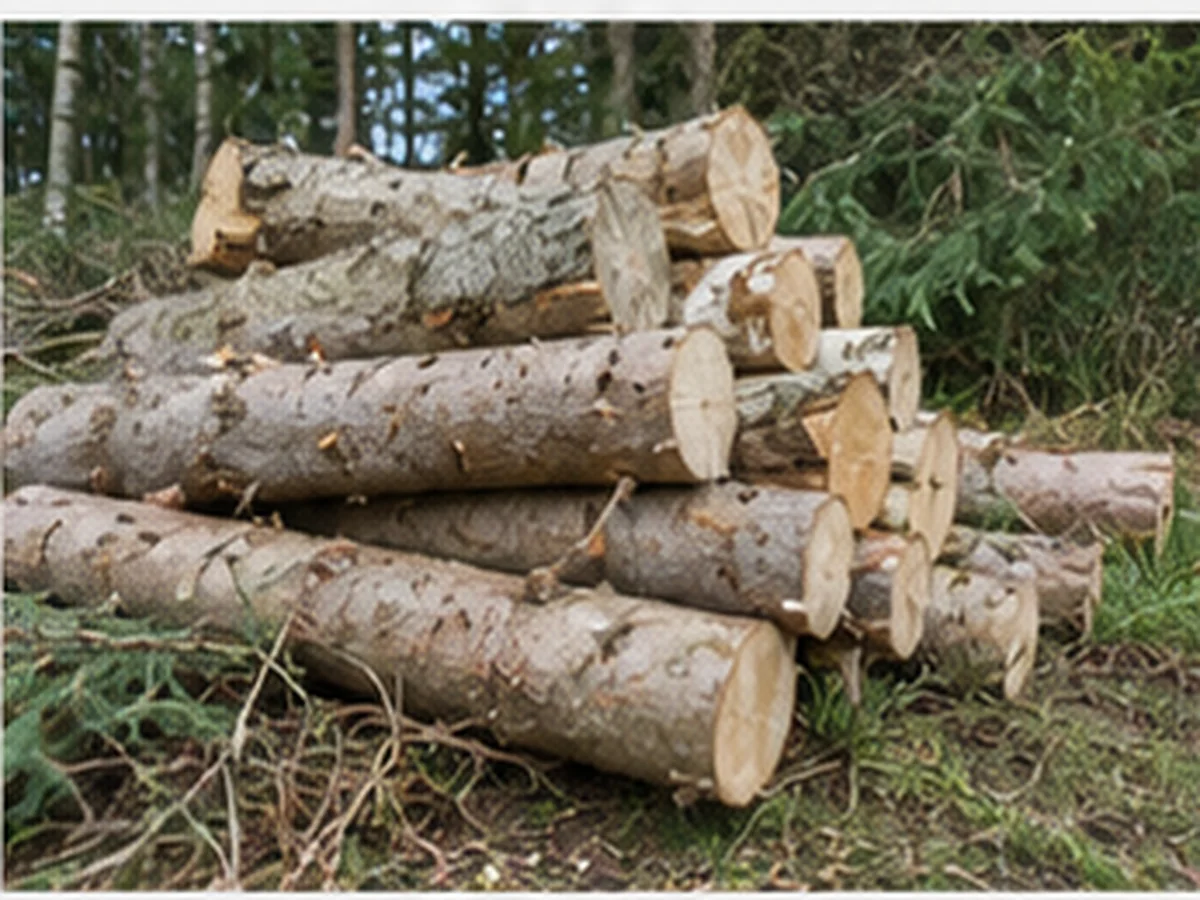
Spruce
A practical lower-density softwood for kindling, quick heat and mixed loads.
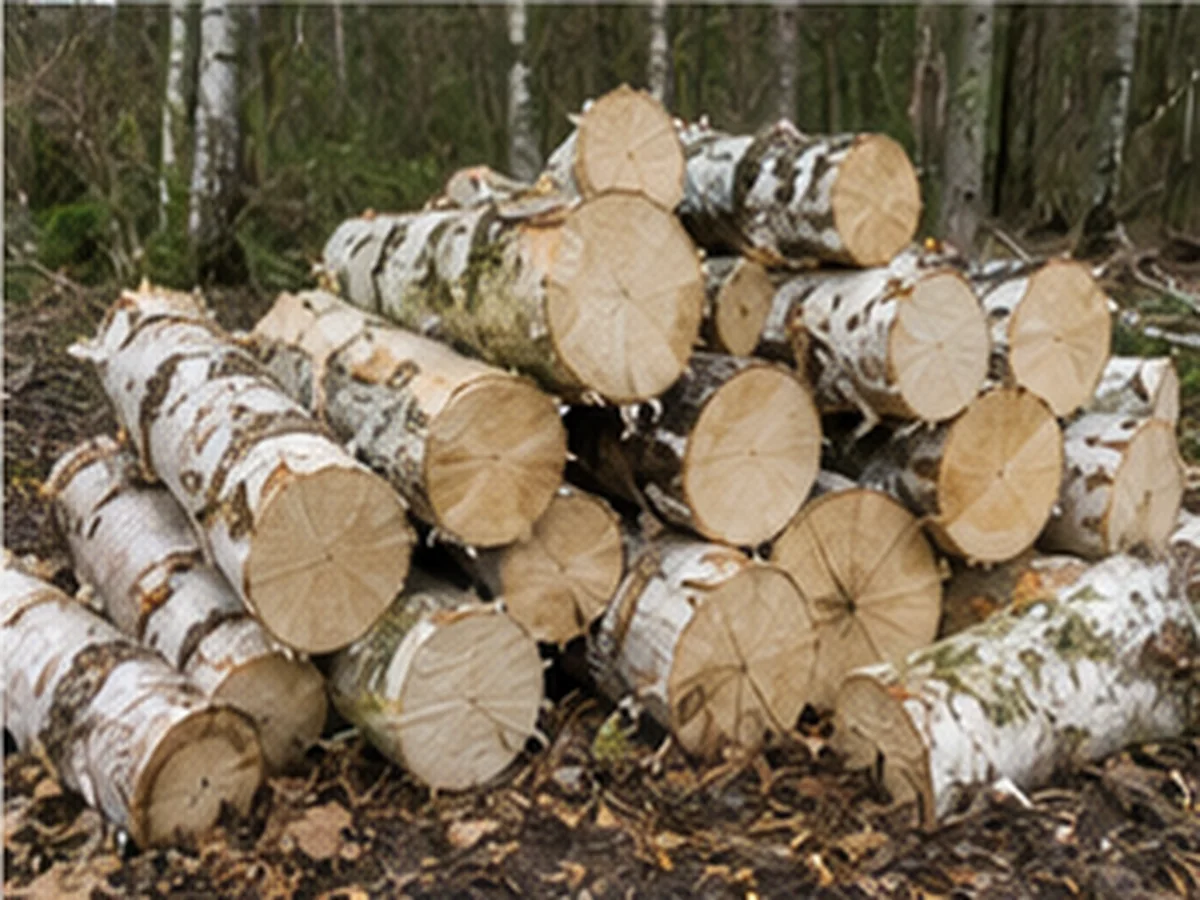
Birch
Responsive general firewood that lights readily and works well in mixed loads.
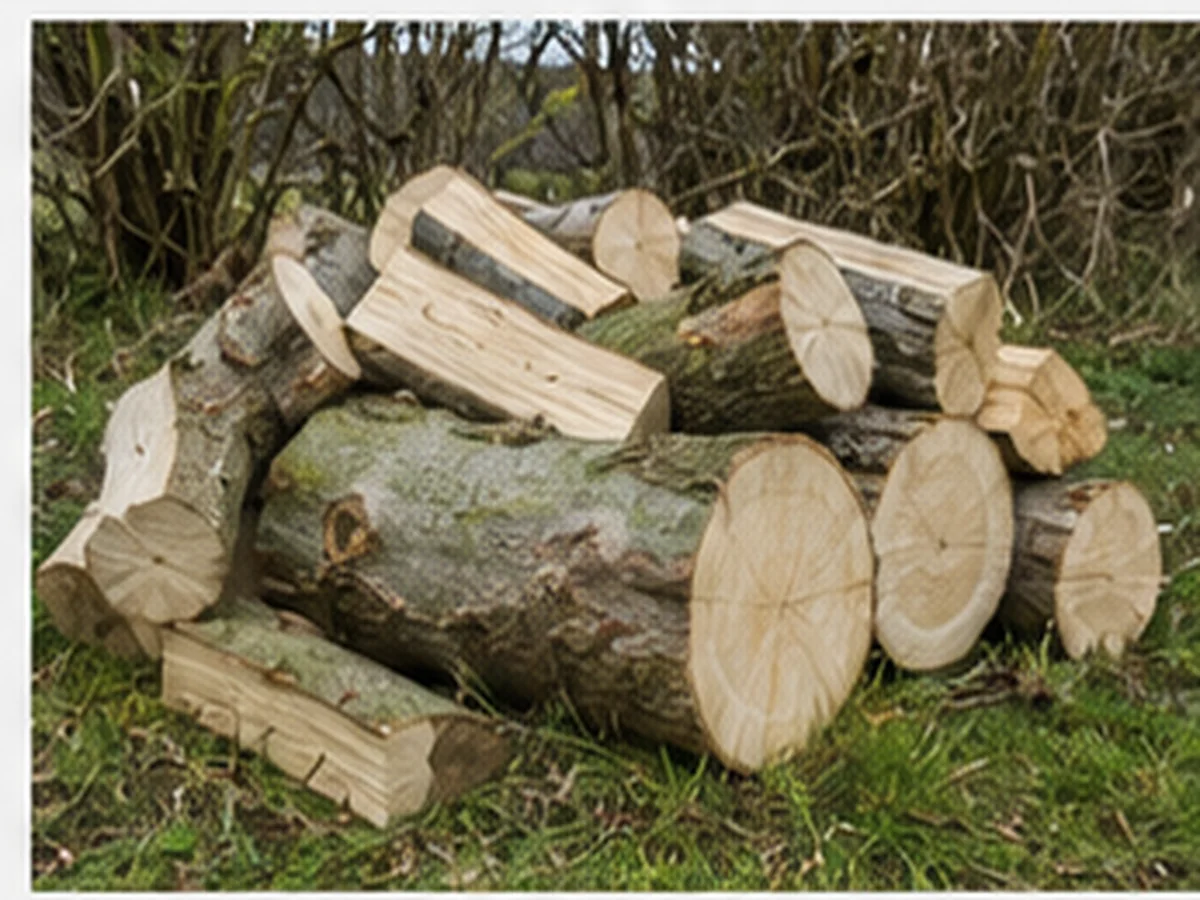
Sycamore
Useful general hardwood, often easy to process and well suited to mixed household stacks.
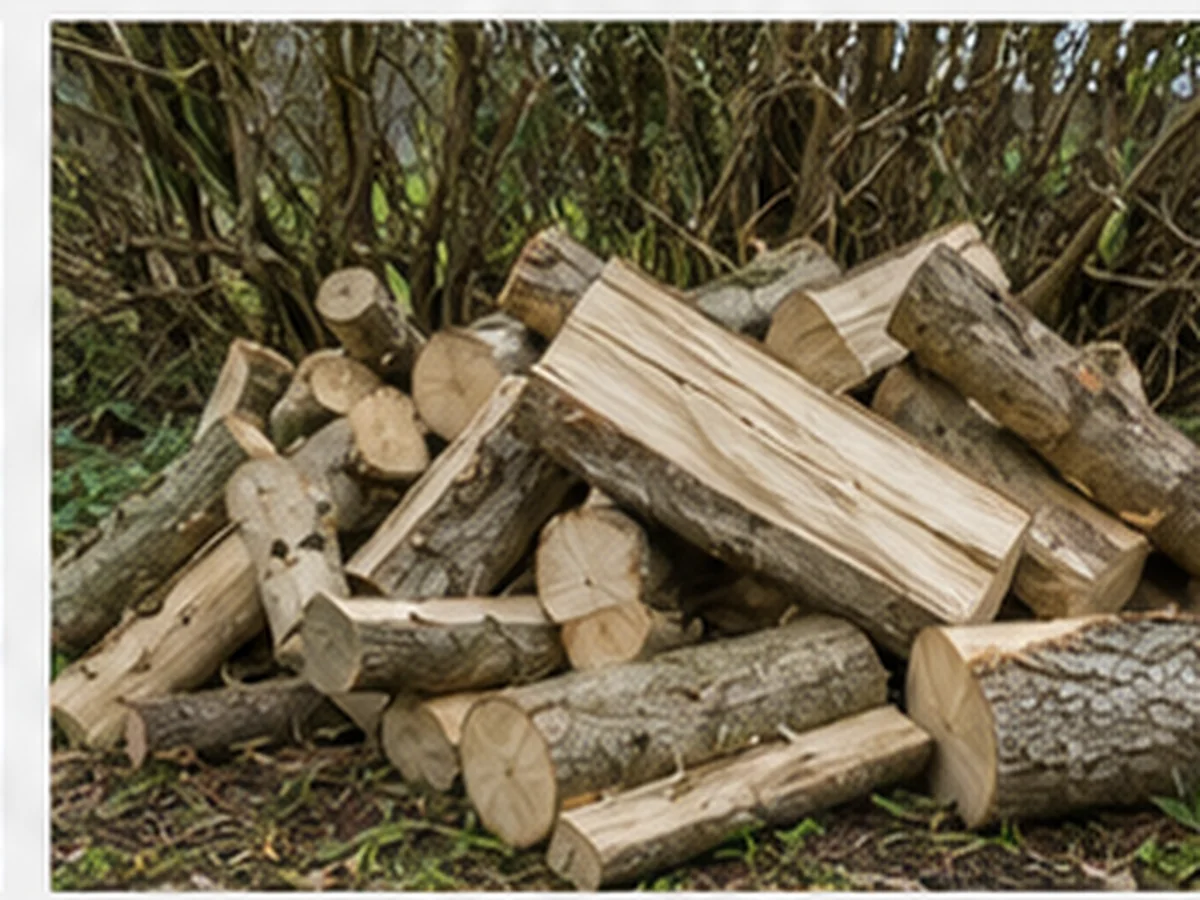
Field Maple
A useful medium-density UK hardwood, often arising from hedgerow work, pruning or small woodland management.
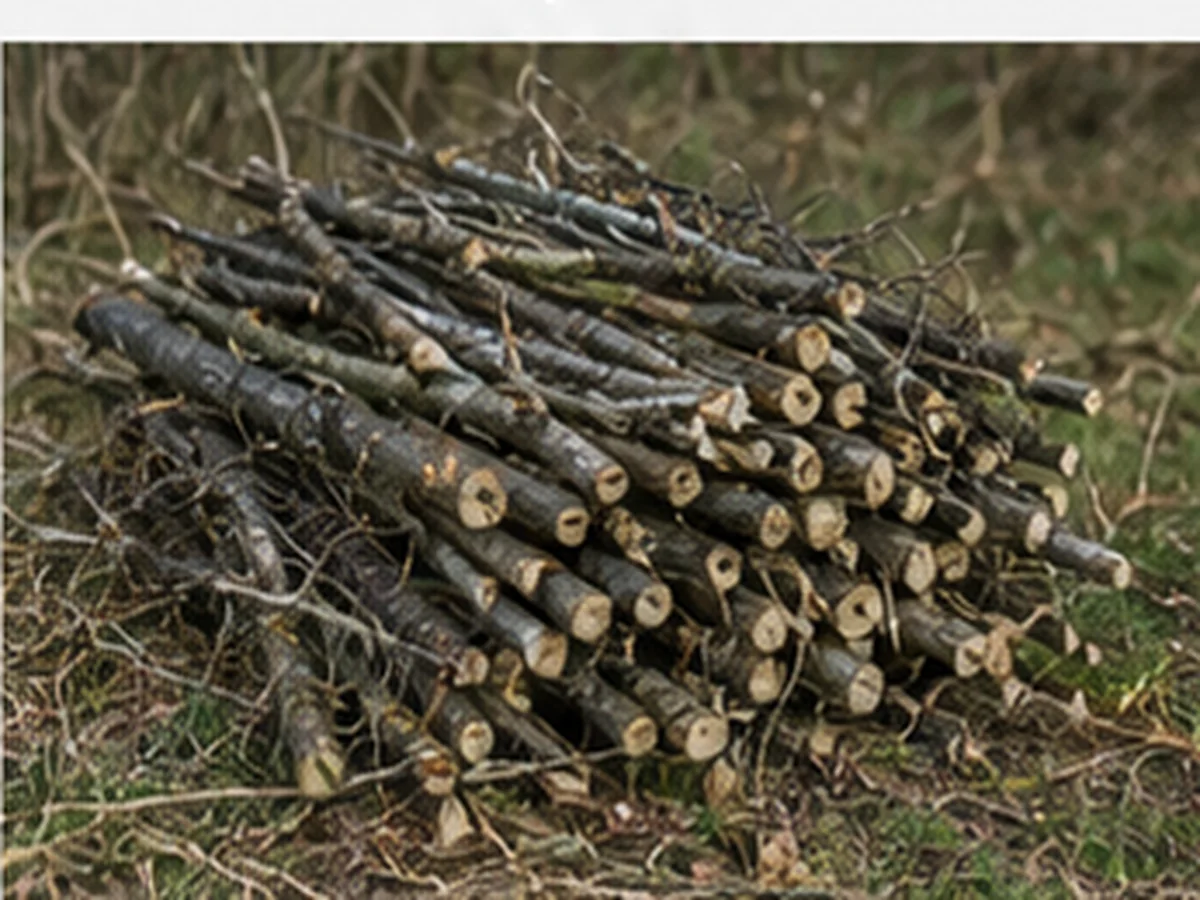
Blackthorn
Very dense and potentially hot-burning once dry. Thorny material needs careful handling.
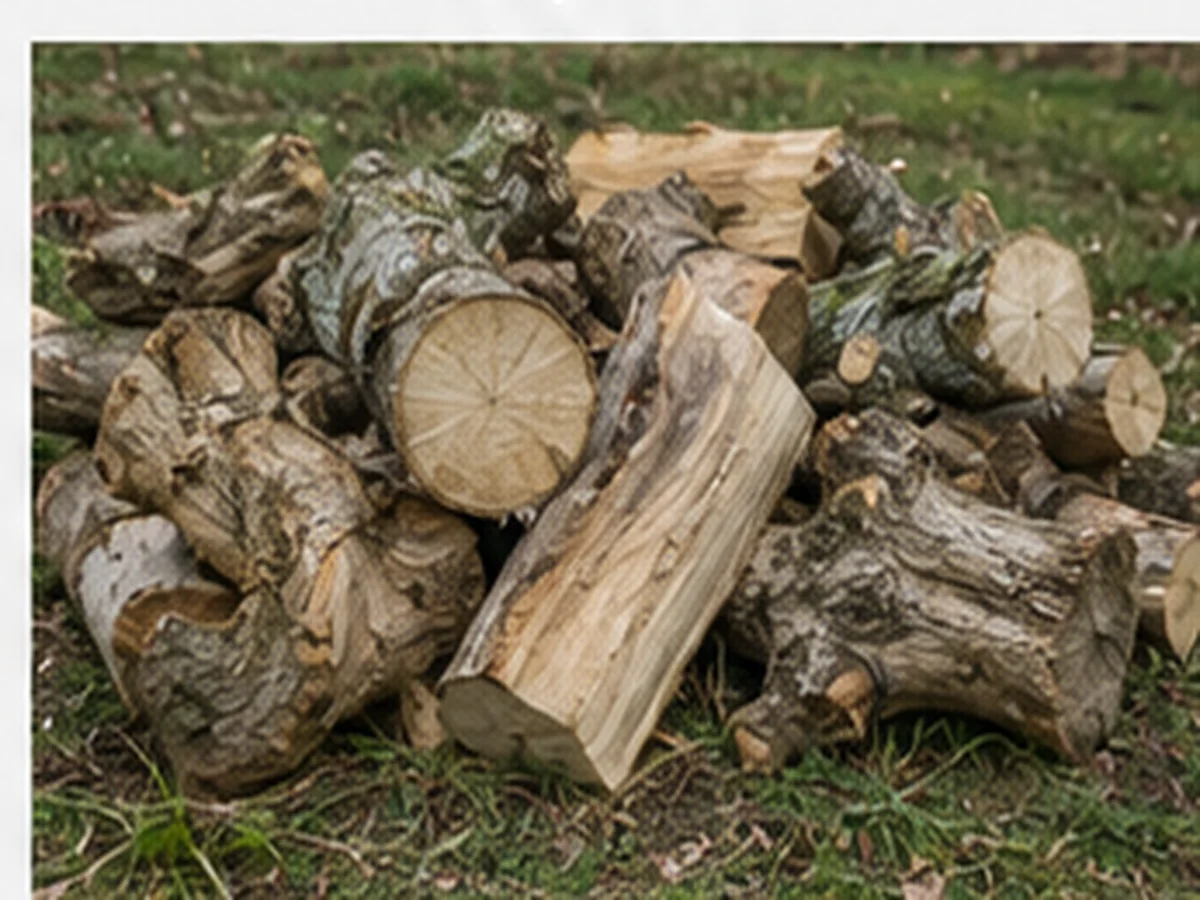
Apple
Dense fruitwood with steady heat. Orchard removals and pruning can produce excellent fuel.
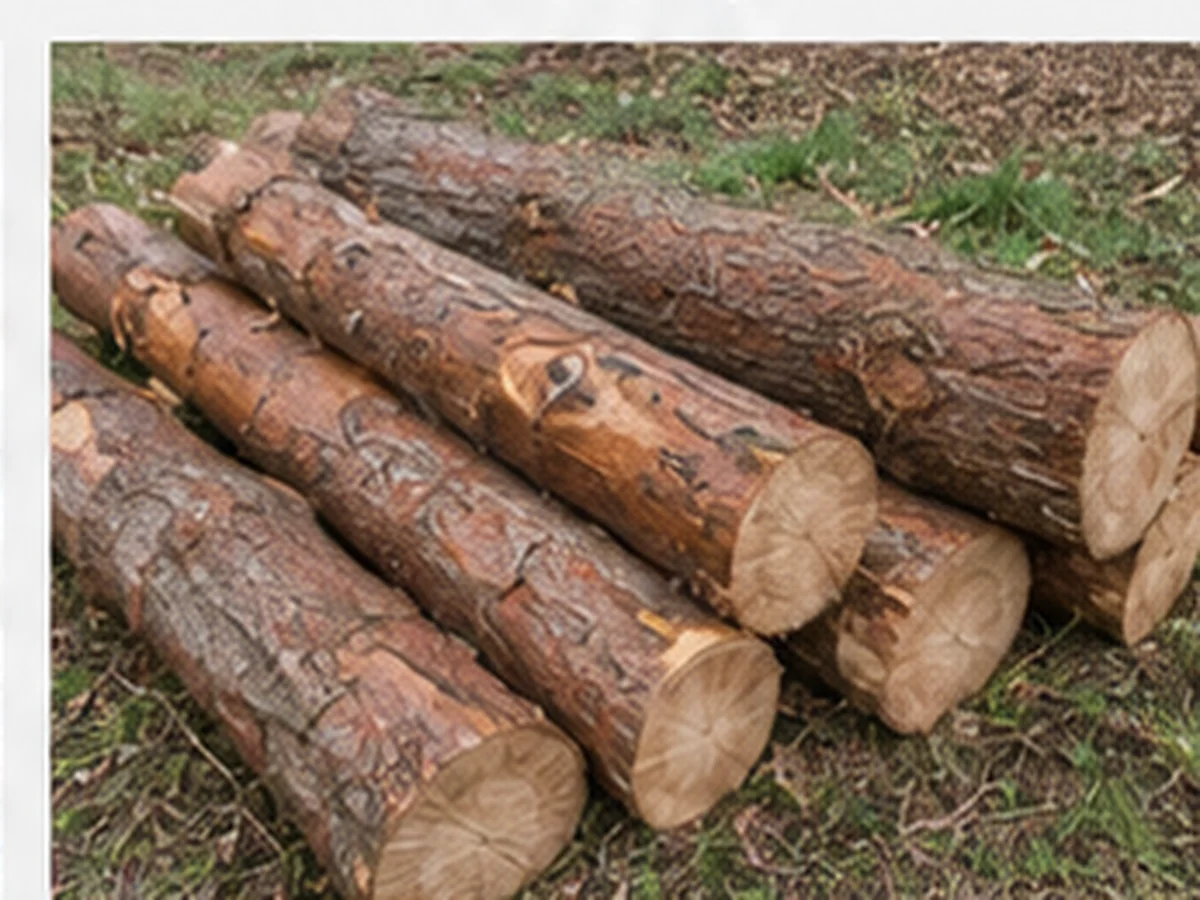
Cherry
A useful fruitwood for general or mixed loads. Aroma does not replace moisture testing.
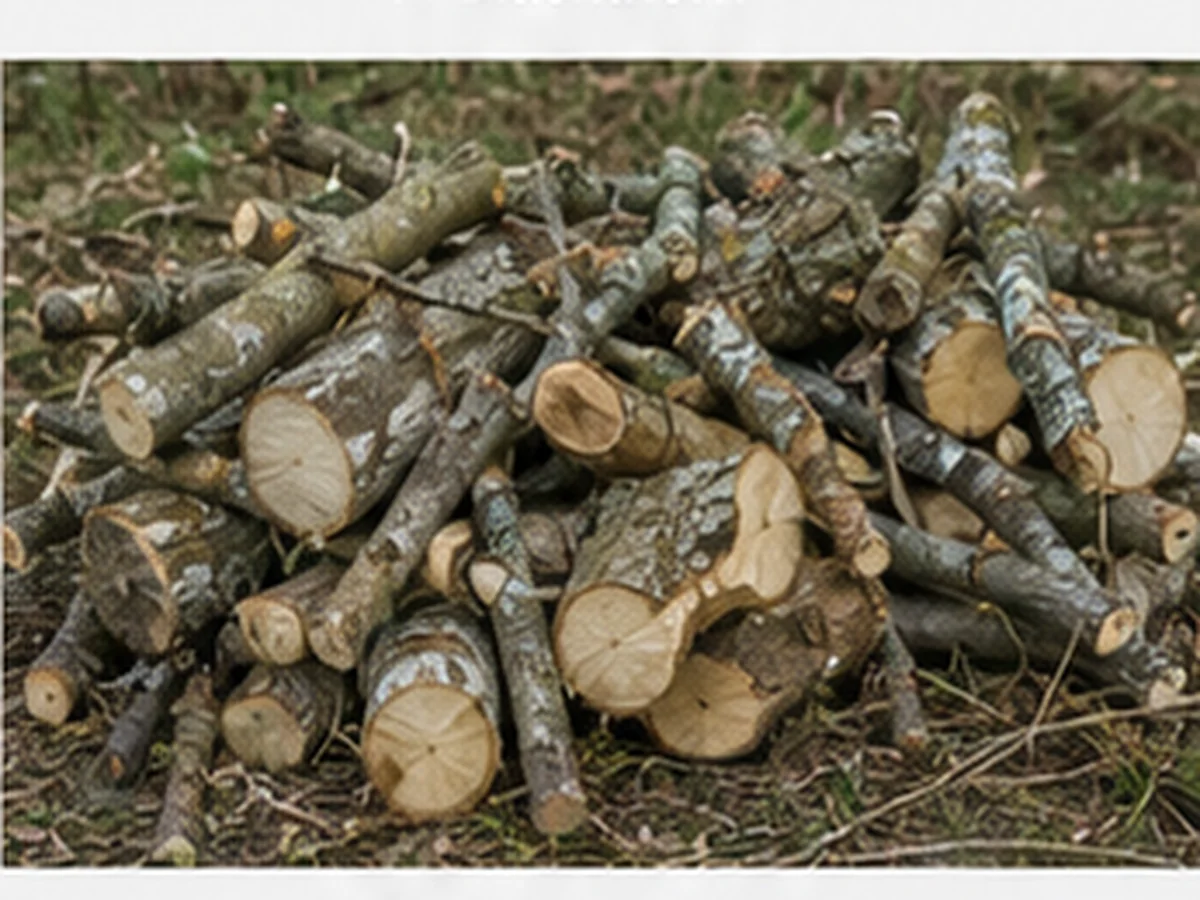
Pear and plum
Dense orchard woods that usually enter the household stack in irregular mixed batches.
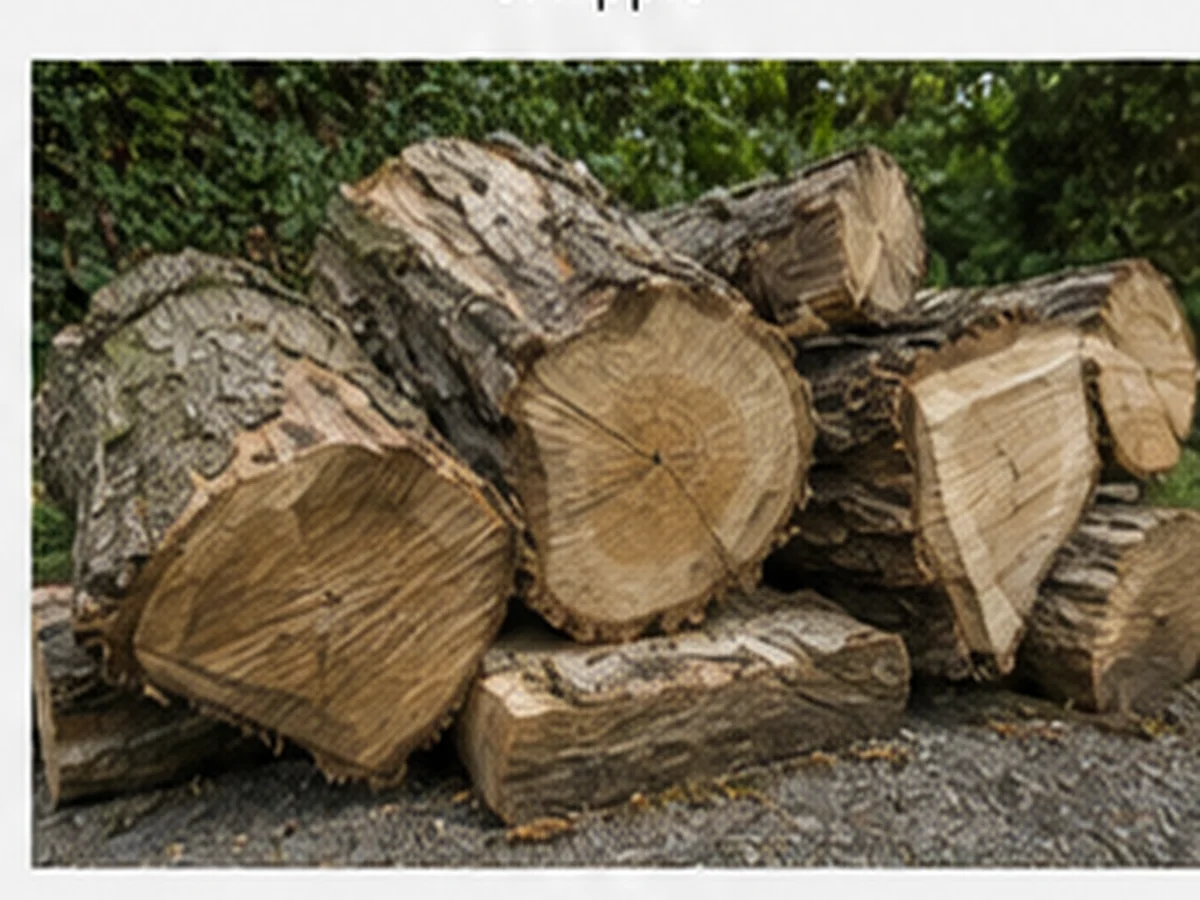
Elm
Useful firewood that can be difficult to split because of interlocking grain.
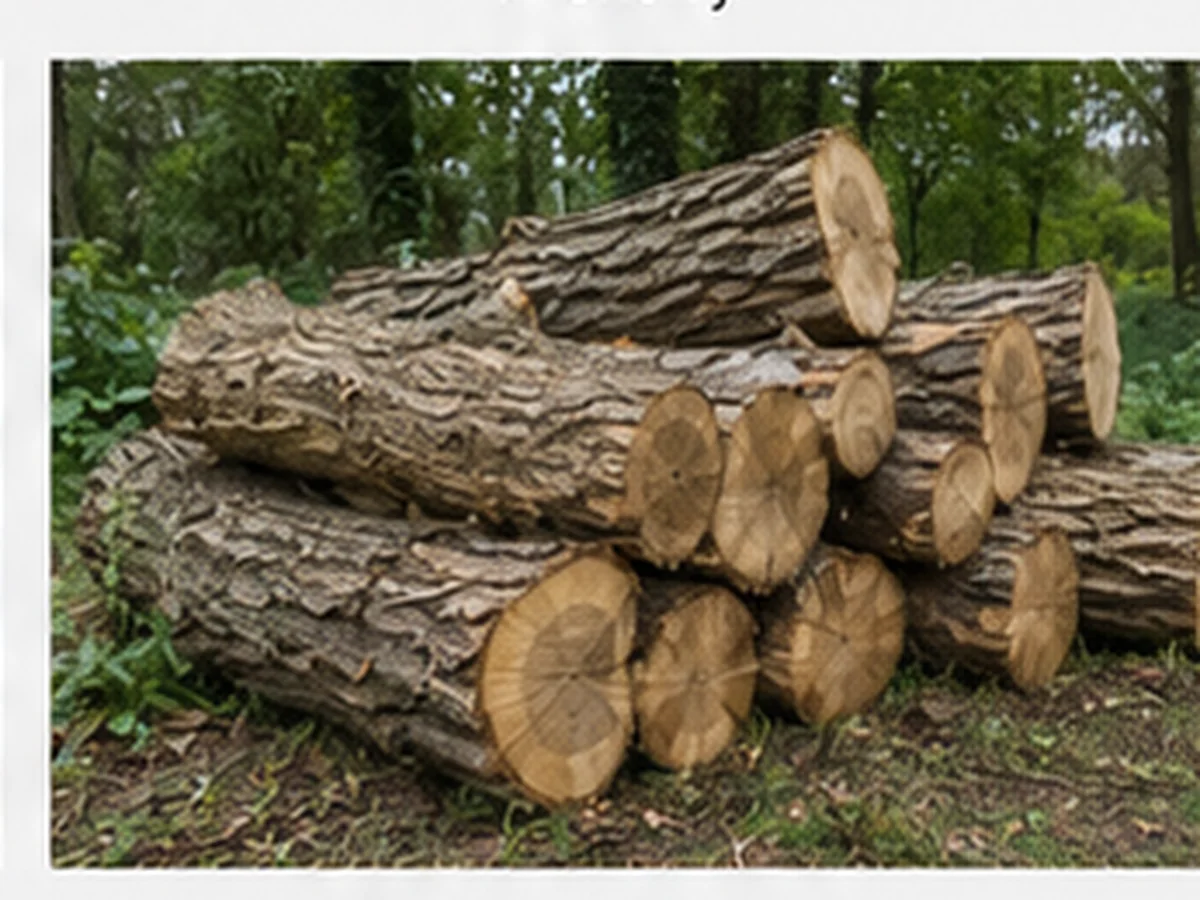
Sweet chestnut
Can give useful heat but may spit or spark, especially on open fires.
Horse chestnut
A lighter hardwood that can contribute usefully to mixed loads when clean and dry.
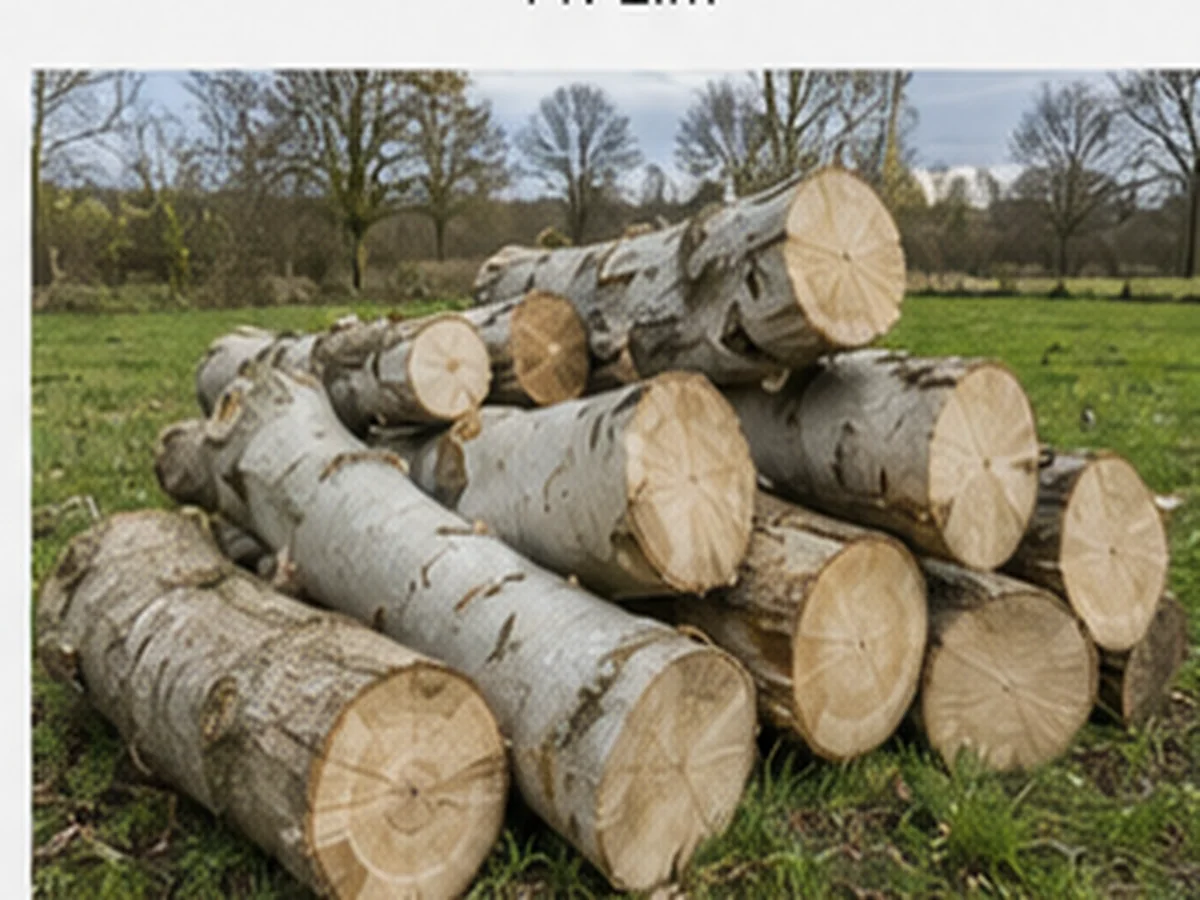
Poplar
Low-density and quick-burning. Split promptly and expect to use more stacked volume.
Lime
A lighter hardwood commonly encountered through avenue, park and garden tree work.
Evidence basis: Forest Research gives air-dry stacked logs at about 20% moisture a broad energy density of approximately 1,400–2,000 kWh per stacked cubic metre. The narrower species bands above are editorial estimates within that published range, informed mainly by relative dry-wood density. They are not laboratory results, guarantees or measurements of a supplied batch.
ASH DIEBACK AND CURRENT AVAILABILITY
Why more Ash is entering local supply chains
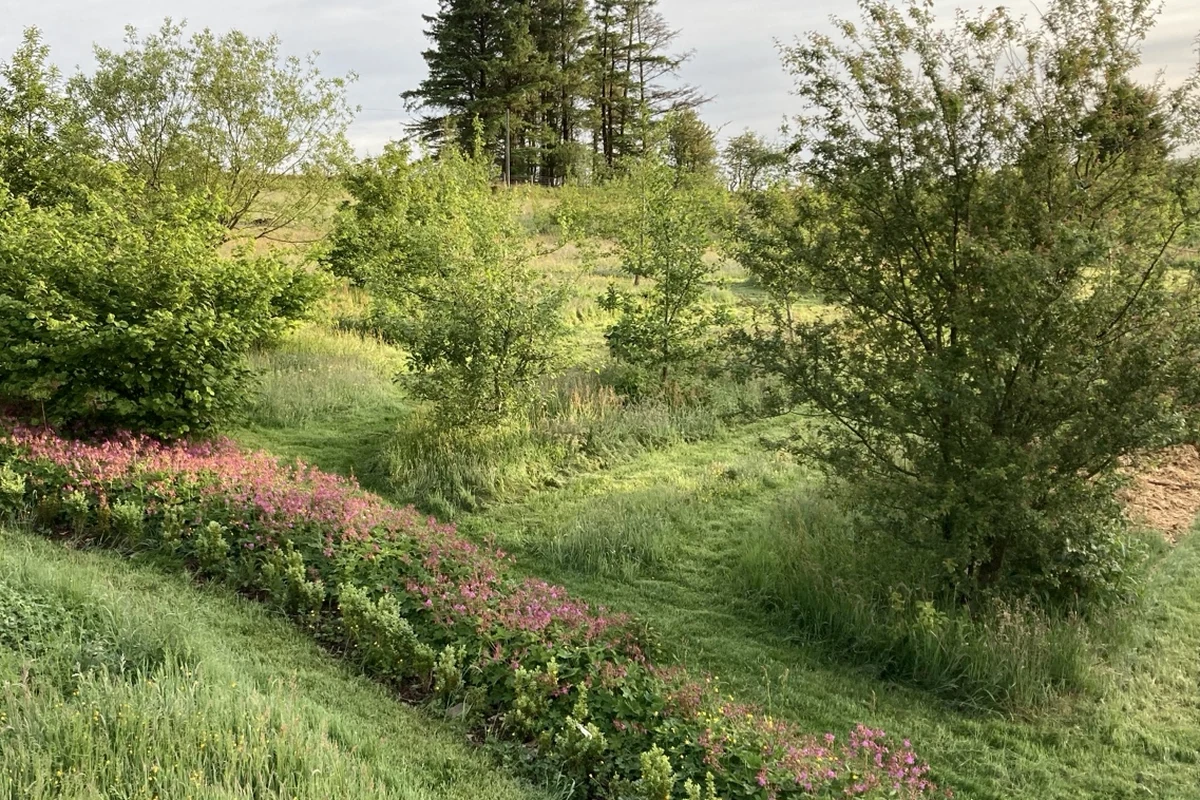
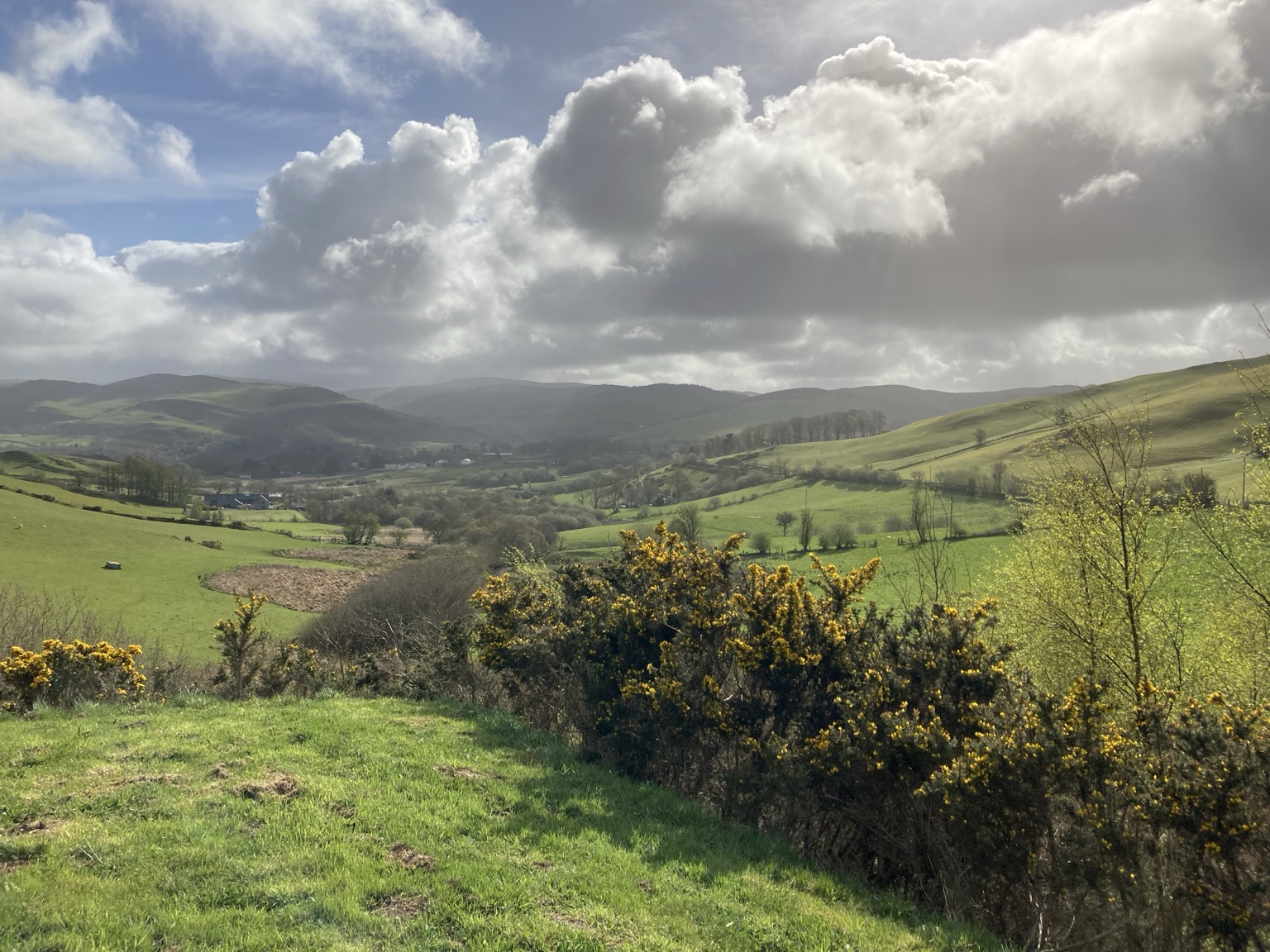
Ash dieback is a destructive disease of ash caused by the fungus Hymenoscyphus fraxineus. It is expected to cause substantial loss, but management is not simply “fell every ash tree”. Welsh policy and Natural Resources Wales guidance emphasise monitoring, safety, proportionate intervention, biosecurity, biodiversity and retention of potentially tolerant or ecologically valuable trees where appropriate.
Where trees must be removed for safety, access or woodland management, using suitable timber can help avoid waste and offset some management costs. That temporary increase in available Ash can create locally attractive firewood opportunities—but provenance, permissions, safety and ecological judgement still matter.
Live With Nature’s current practical position: this limited Ash release is an opportunity to obtain measured local hardwood while availability is strong and store it ahead of winter. This is a commercial and storage recommendation, not a claim that diseased trees should be felled indiscriminately or that Ash is always nationally cheaper than oak or beech.
BUY NOW, BURN LATER
Why early storage can be more important than chasing a species name
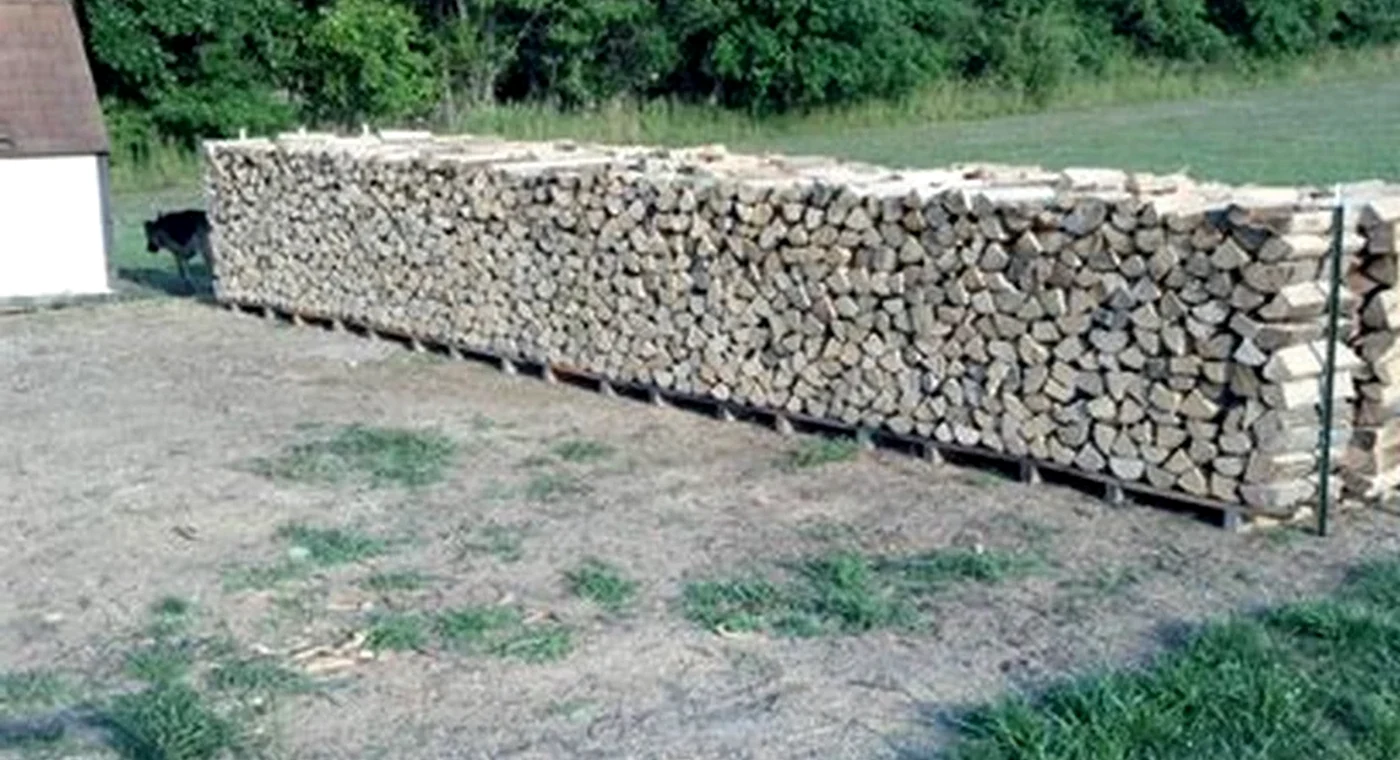
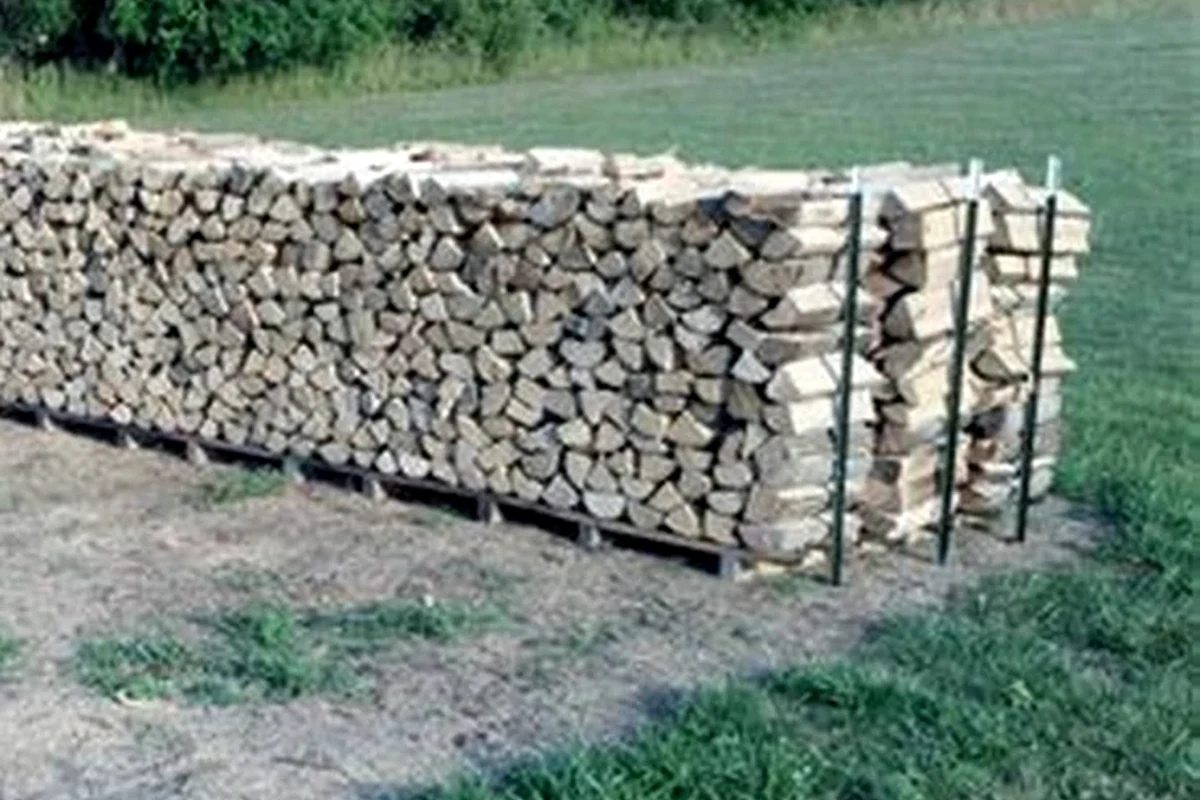
| Action | Why it matters |
|---|---|
| Buy before peak winter demand | Gives more time to organise supply, delivery access and storage. |
| Stack off the ground | Reduces ground moisture and improves airflow below the stack. |
| Cover the top, ventilate the sides | Protects from repeated wetting without trapping moisture. |
| Split a sample before testing | The fresh internal face gives a more meaningful moisture reading than the outer surface. |
| Mix species deliberately | Quick-lighting wood can establish the fire; denser logs can then extend steady output. |
WATCH AND VERIFY
Video and evidence pathway
Future moisture testing, stacking, mixed-load and Ash-handling demonstrations will be collected here.
Forest Research: moisture content
Official technical background on moisture and woodfuel performance.
Welsh Government: Ash dieback policy 2024–2029
The policy context for proportionate management in Wales.
Natural Resources Wales: managing Ash dieback
Practical guidance to accompany the policy.
GETTING READY FOR WINTER
A five-part practical series
Dryness matters more than folklore
How moisture changes useful heat, smoke and stove behaviour.
What species changes
Density, ignition, flame speed, coals and mixed loads.
Ash dieback and responsible use
Why Ash is entering supply chains and what responsible management means.
How much should you store?
Measured volume, appliance demand and winter planning.
Stack, ventilate and moisture-test
A repeatable household storage and checking routine.