
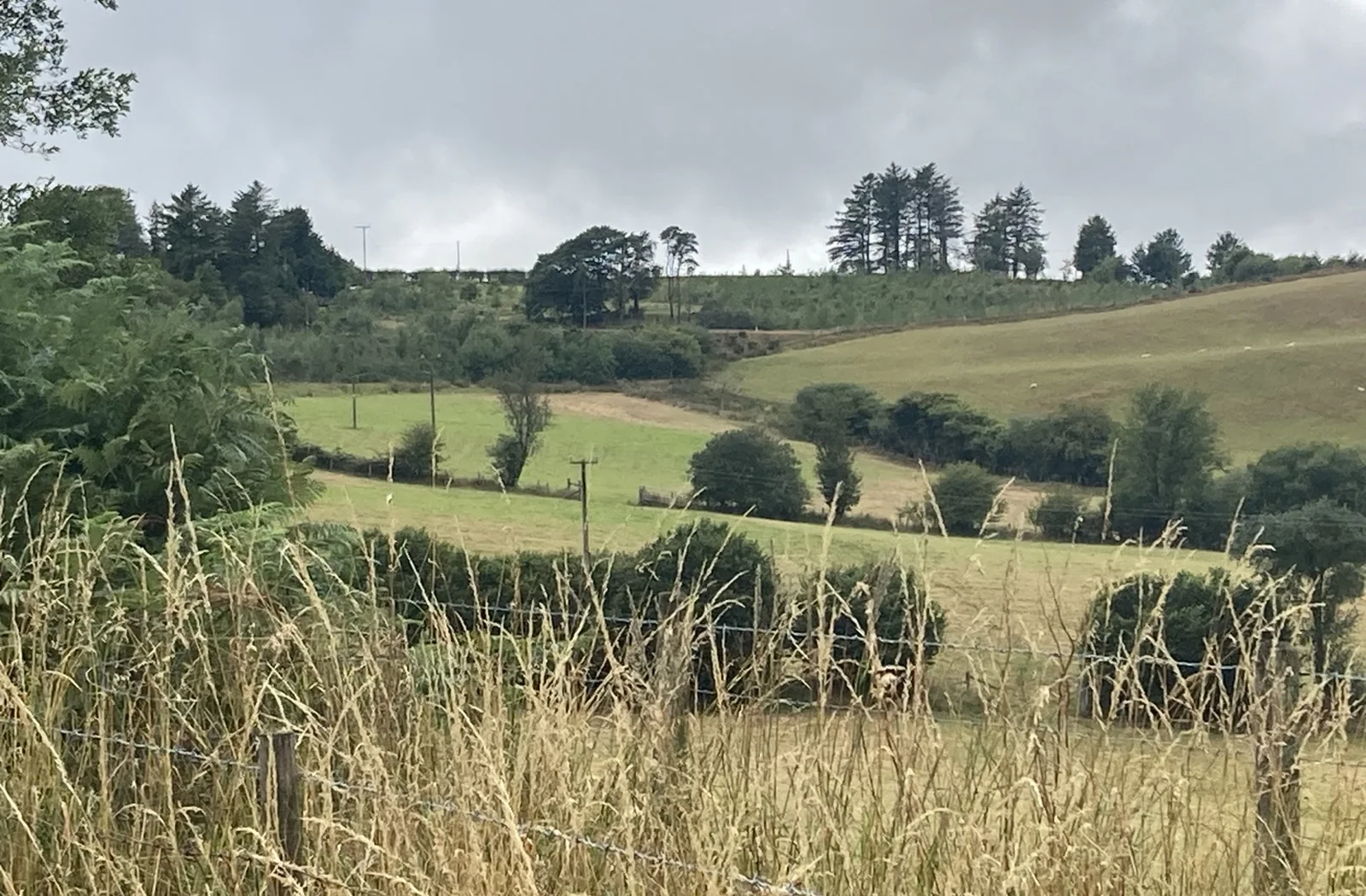
The land story
Working with change, not hiding it
This is a record of land shaped by weather, previous planting choices and ongoing care. It shows what happened, what was retained, what needed intervention and how future resilience is being built.
A living record
The landscape is evidence
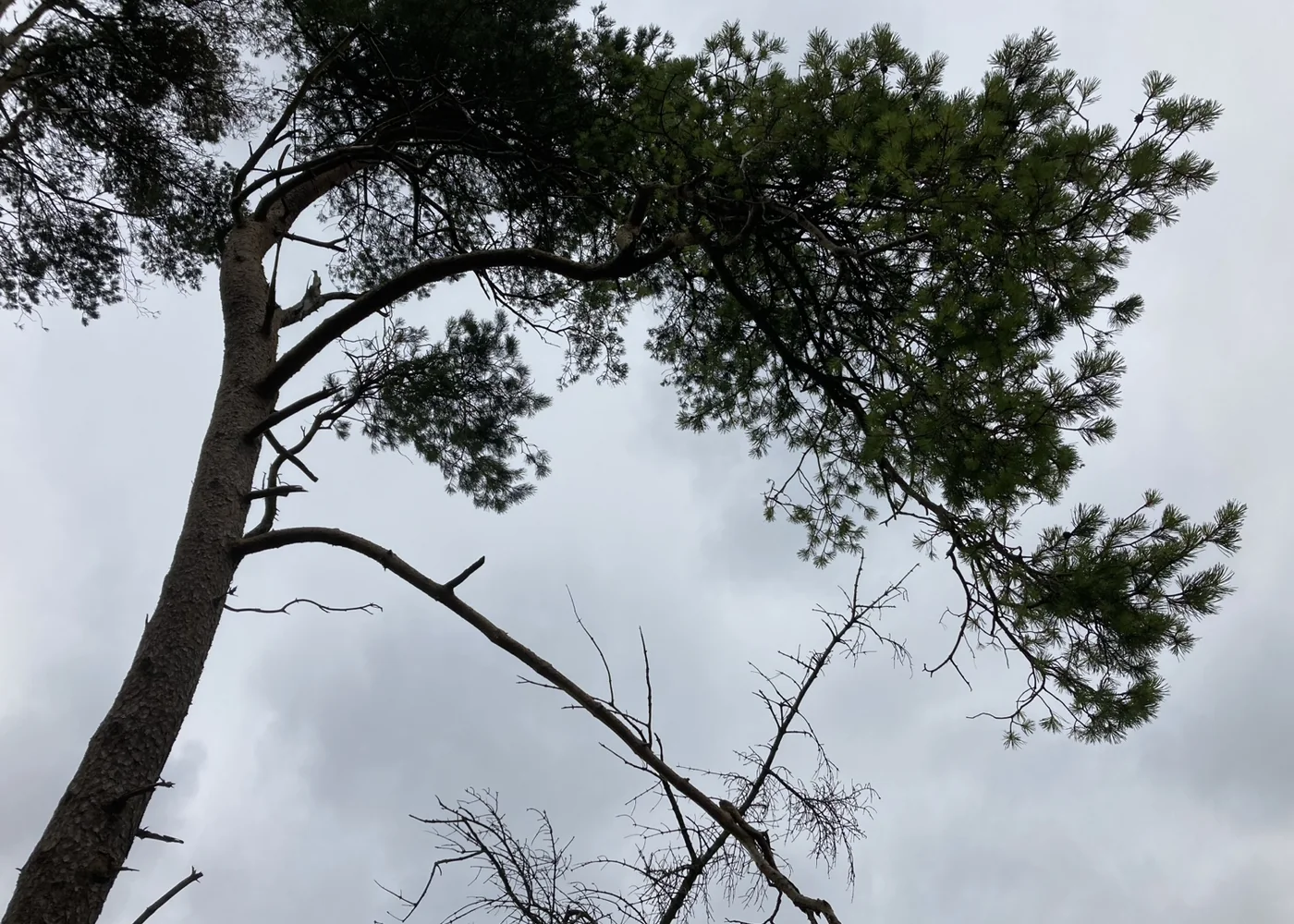
Live With Nature is grounded in a real place. The land is not presented as a finished showcase. Storm damage, fallen trees, wet ground, recovery and replanting all form part of the practical story—and part of what the site can teach.
Observe before clearing
Damage is assessed in context. Safety, access and the condition of neighbouring trees determine what must be moved and what can remain.
Keep habitat where possible
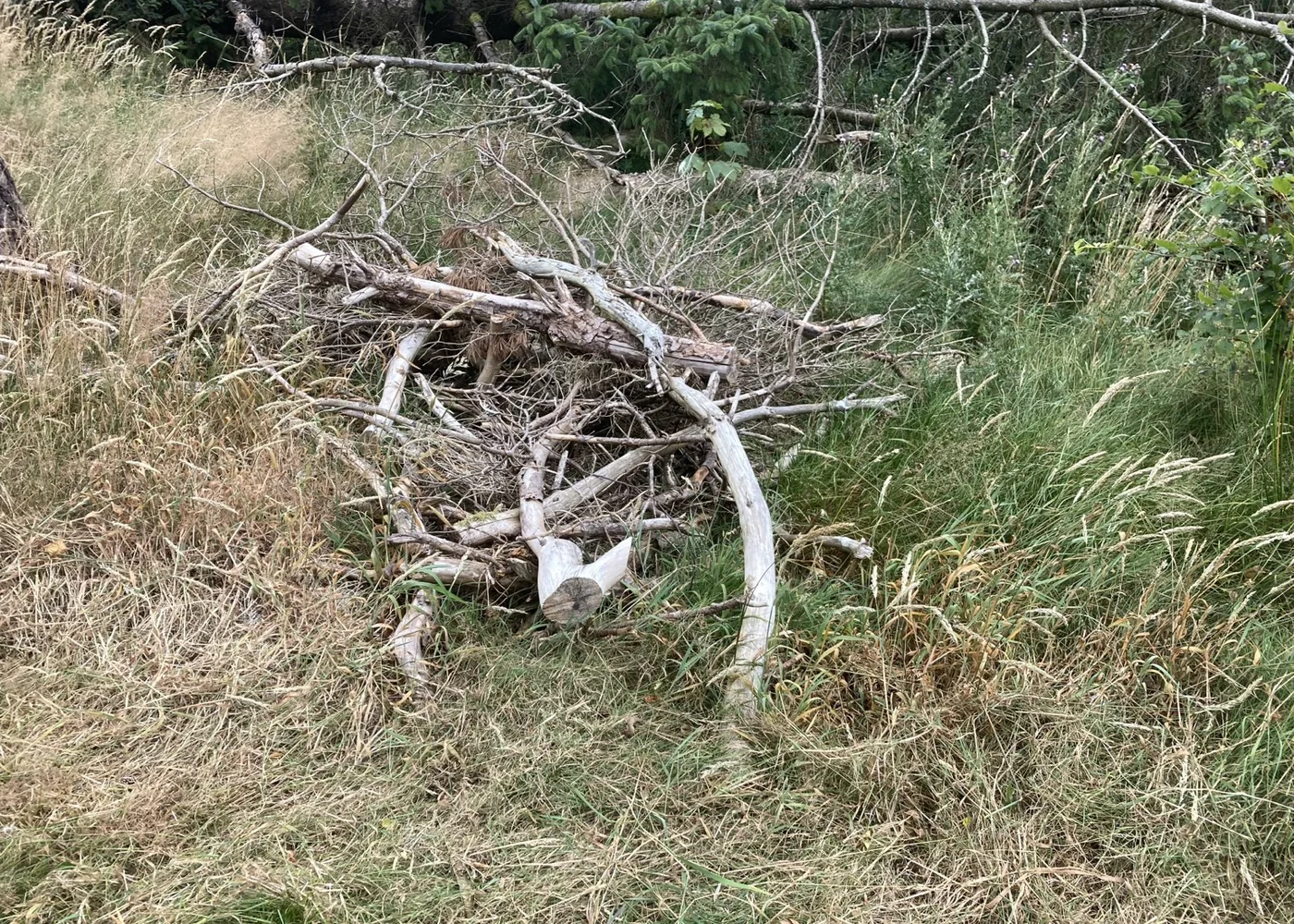
Fallen trunks, branchwood and coarse woody material are retained where they can safely provide shelter, decay habitat and structure.
Replant for resilience
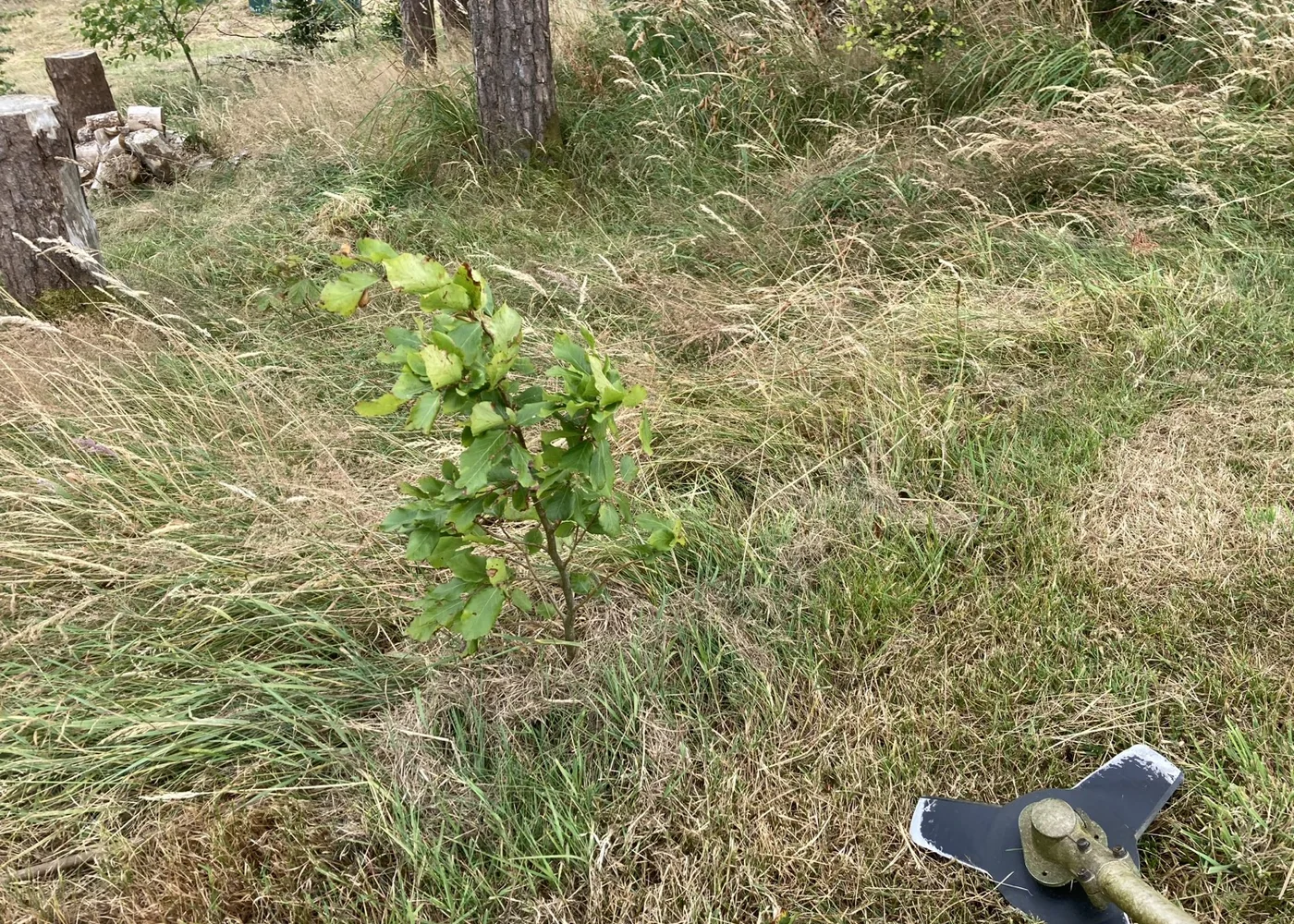
Where replacement planting is required, the aim is a broader species mix rather than recreating a vulnerable single-species stand.
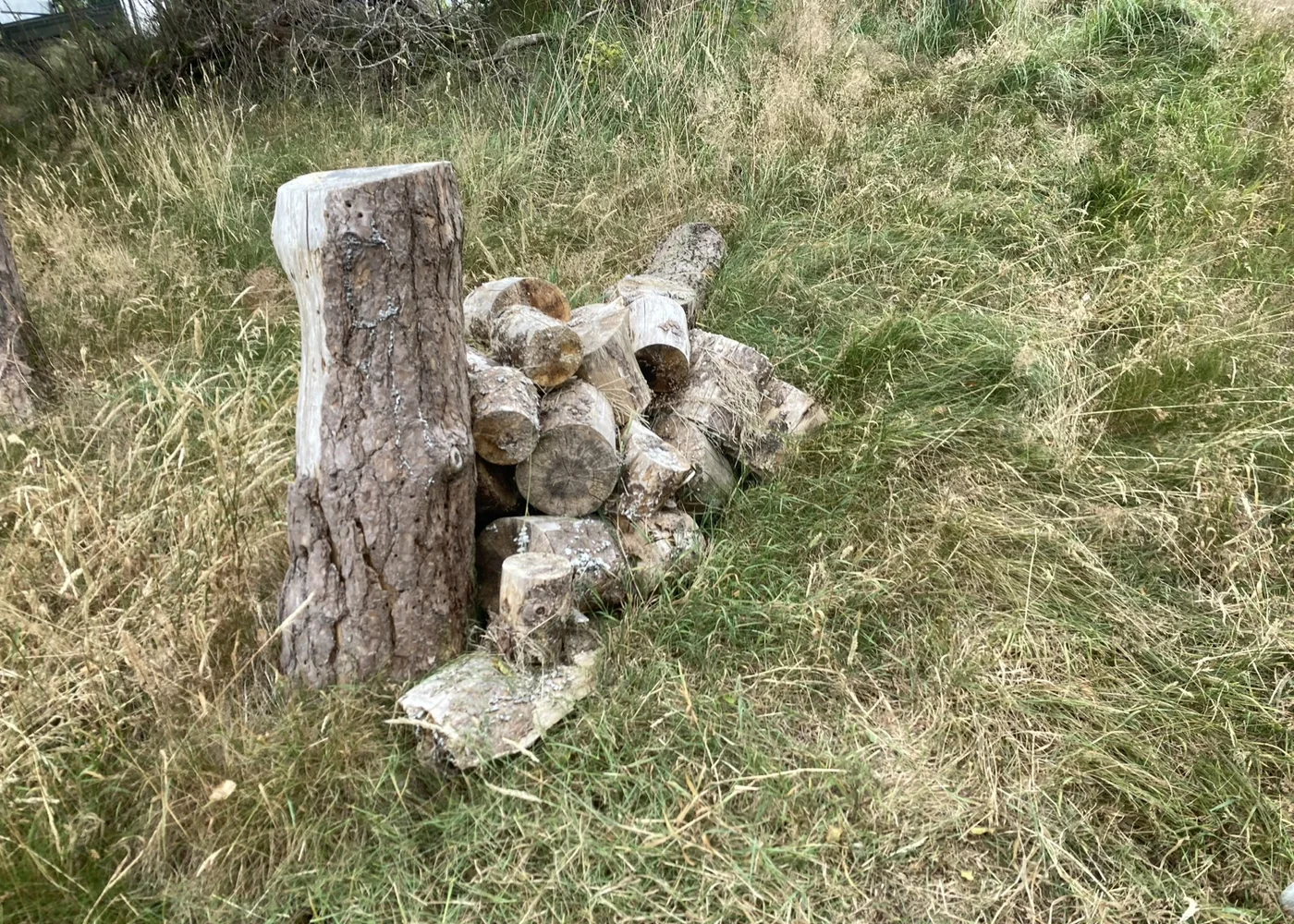
Storm damage
Disturbance creates decisions
Windthrow and broken trees can look like a simple clearance problem. In practice, each area presents several choices: make access safe, prevent avoidable damage, recover useful timber where appropriate and retain enough material to support woodland processes.
The objective is not to make the site look untouched. It is to respond proportionately and allow the aftermath to create new ecological value wherever possible.
How decisions are made
A practical sequence, not a fixed recipe
The same response is not applied everywhere. The work follows the condition of each area and the role it can play in the wider landscape.
Assess safety and access
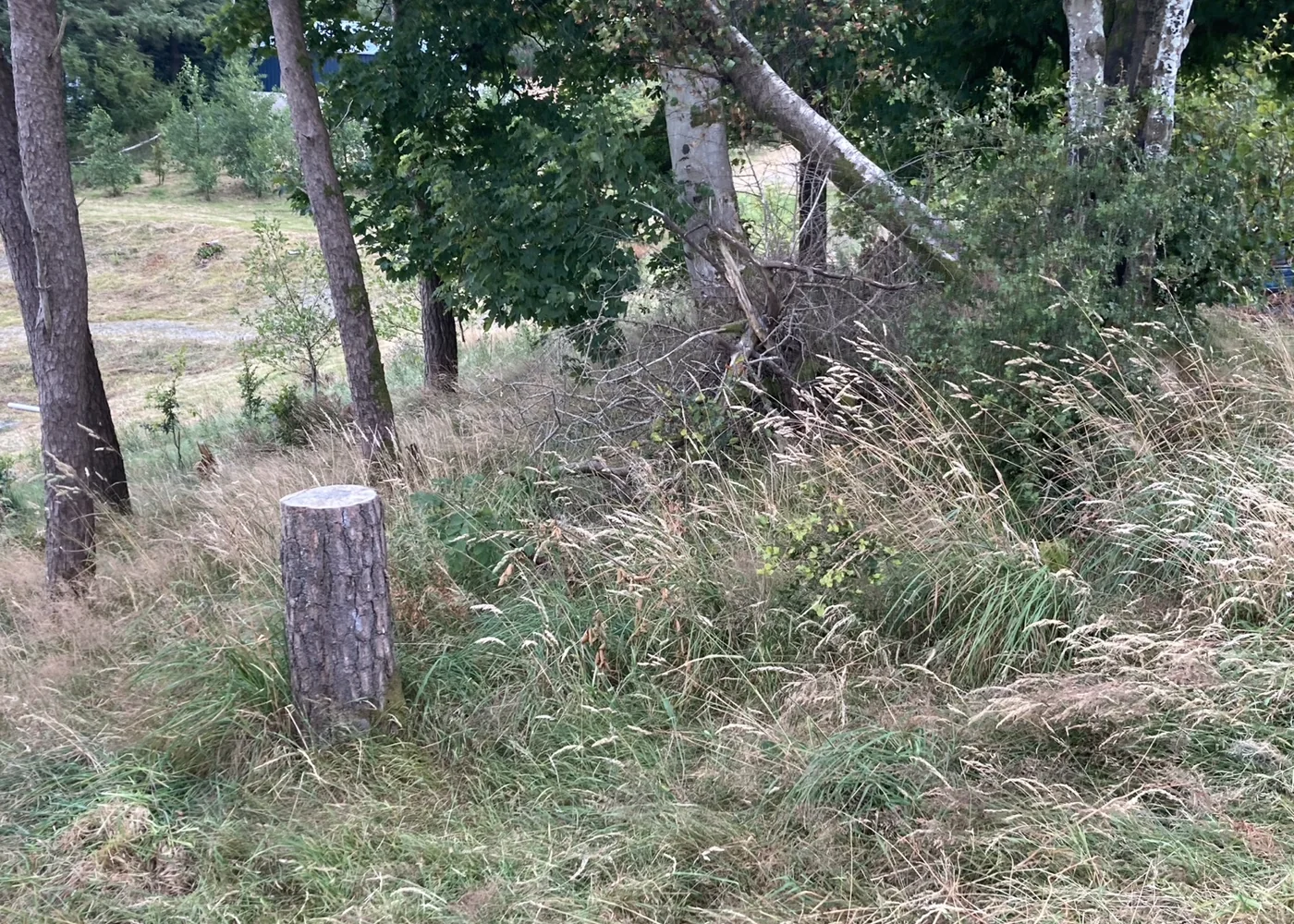
Identify unstable trees, blocked routes and material that could cause further damage.
Separate necessary removal from useful retention
Recover or move what must be handled, while leaving suitable deadwood and branch material in safe positions.
Watch what returns naturally
Regeneration, ground flora and changing light conditions are observed before deciding where additional planting is needed.
Add diversity deliberately
Replacement planting broadens the species mix and reduces dependence on the pattern that was lost.
Record outcomes honestly
Progress includes setbacks, slow recovery and revised decisions—not only finished-looking results.
Follow the wider work
The land connects every part of Live With Nature
Woodland recovery, responsible firewood, water, soil, biodiversity and practical learning are not separate stories. They are different views of the same long-term relationship with the land.